

If you are planning to create an online course platform, the planning stage will determine your success. Most platforms fail because they rush into building without clear goals, audience, or structure.
This guide shows how to plan your online course platform from idea to launch. You will learn the key decisions to make, the essential features, and the best WordPress stack for scalable growth.
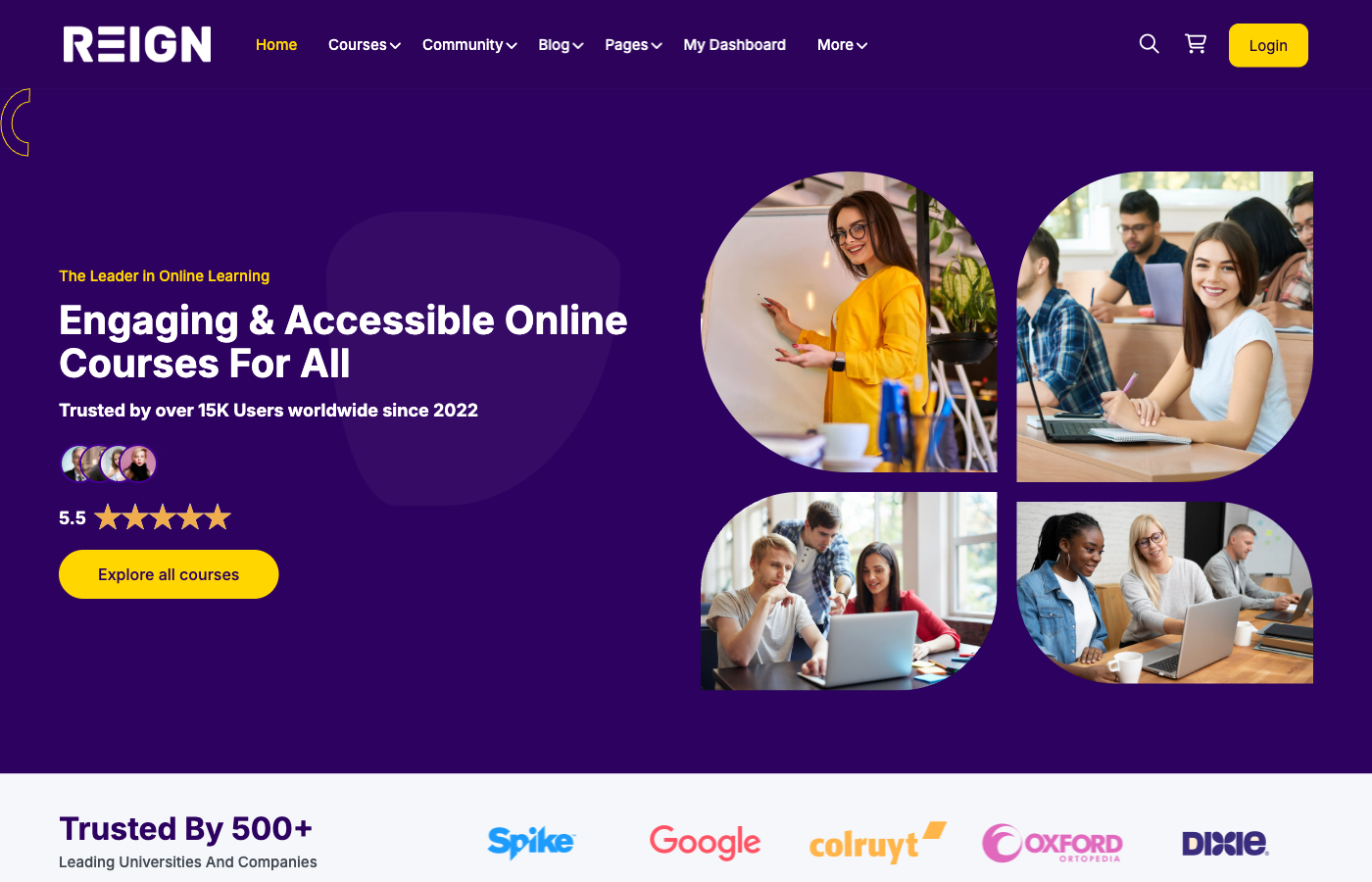
Clarify your goals and audience
Start with your audience. Are they professionals, students, or hobby learners? Each audience expects different pricing, content depth, and community features.
Define your platform goals. Do you want to sell courses, build memberships, or create a marketplace? Your goal shapes the entire roadmap.
Questions to answer early
- Who is the ideal student?
- What outcome do they want?
- How will you measure success?
Define your platform model
Choose the model that fits your goals:
- Single creator platform
- Multi-instructor marketplace
- Membership community
- Cohort-based academy
Once the model is clear, map the core pages and features.
Choose the right stack
For WordPress, the most flexible stack is Reign + LearnDash + BuddyPress. LearnDash handles courses, BuddyPress handles community, and Reign provides the design layer.
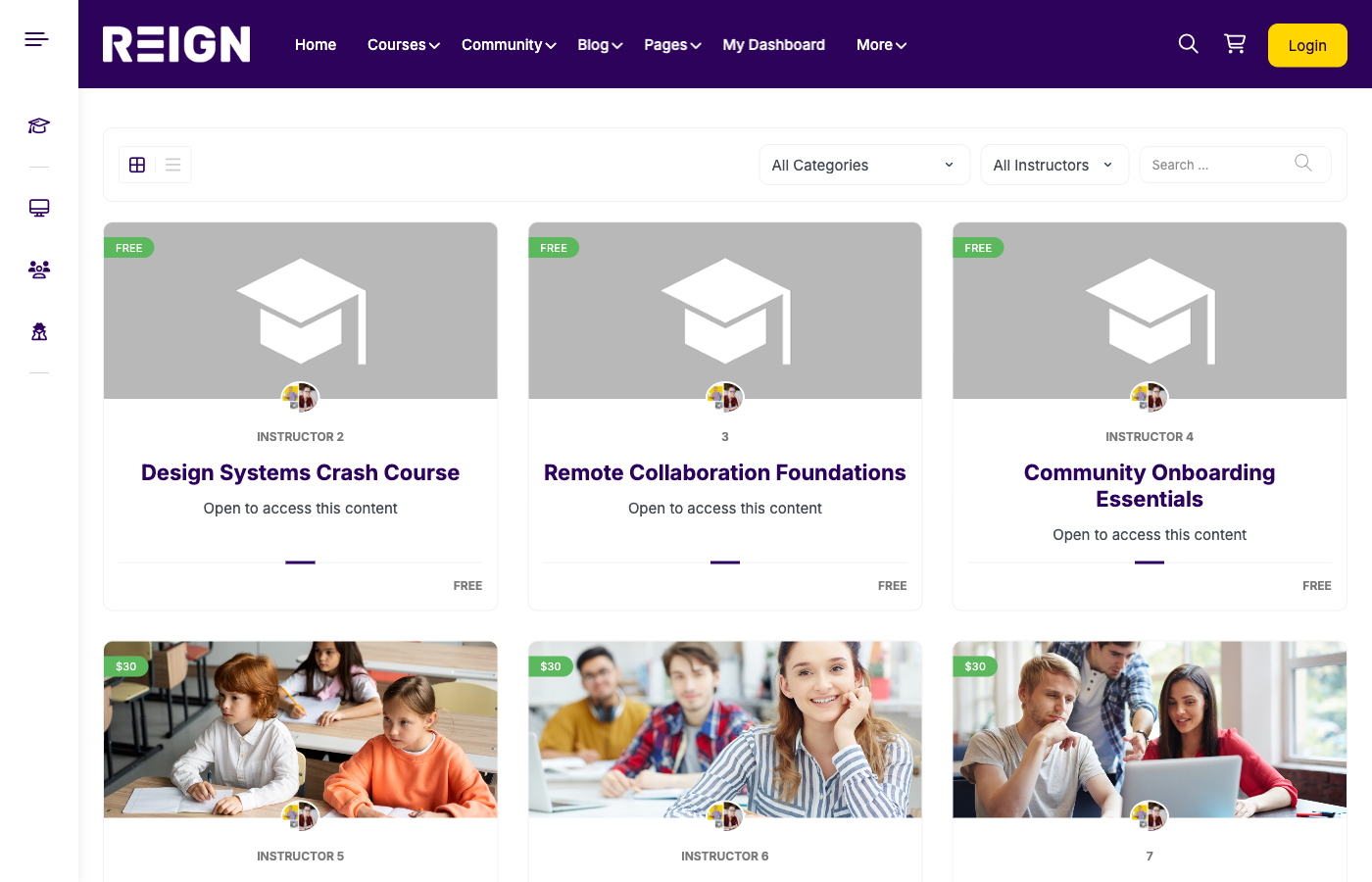
Stack benefits
- LearnDash provides structured learning paths
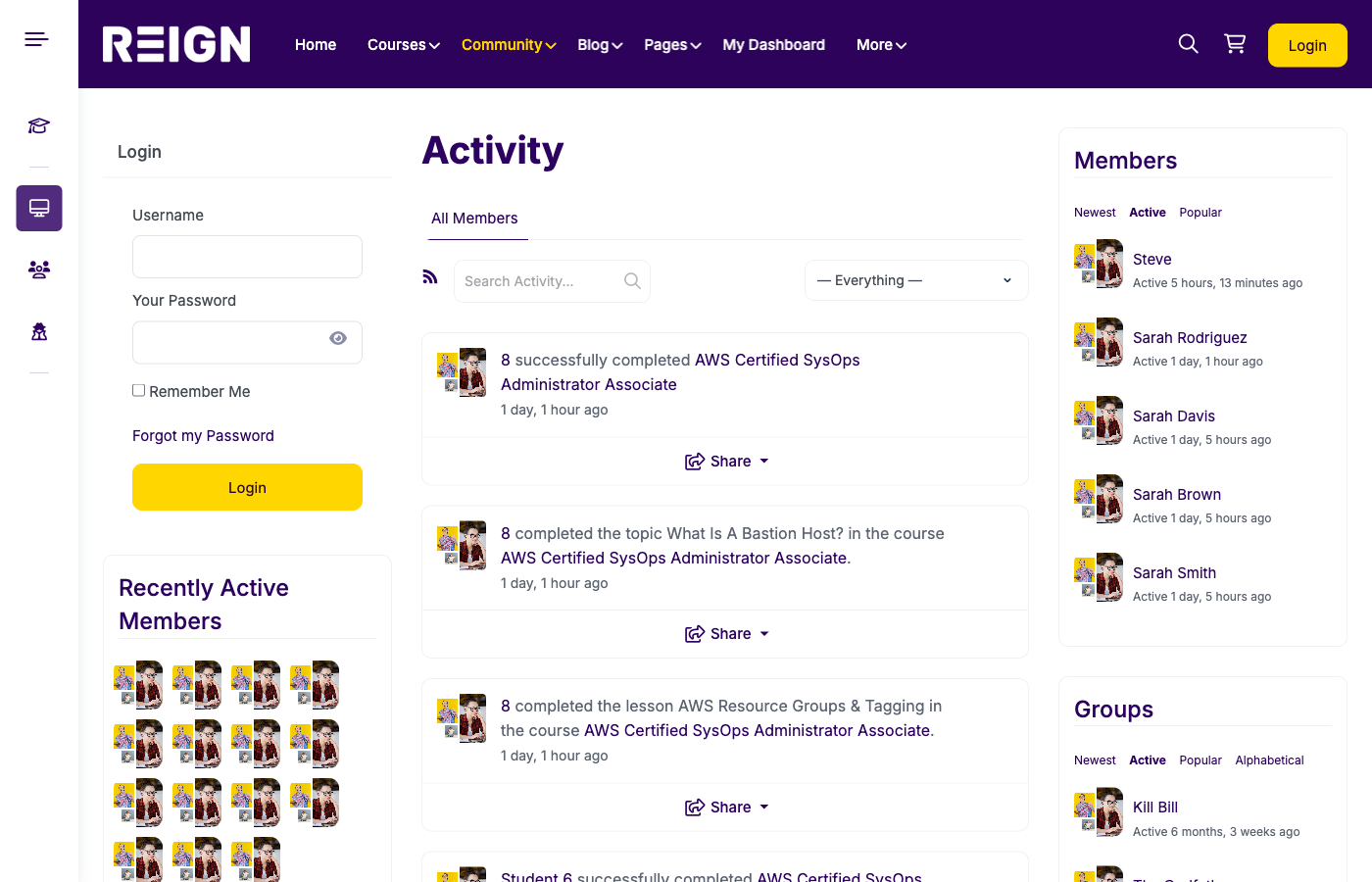
- BuddyPress adds profiles, groups, and discussions
- Reign unifies the design and community experience
Outline your feature set
List must-have features: course catalogue, instructor profiles, progress tracking, checkout, and community groups. Separate must-haves from nice-to-haves.
Plan to launch with the essentials, then add advanced features after validation.
Must-have features
- Course catalogue and search
- Lesson progression and quizzes
- Secure payments and access rules
- Community groups and profiles
- Analytics and reporting
Create a launch roadmap
A simple roadmap includes: platform setup, course creation, testing, pre-launch marketing, and public launch. Assign deadlines for each stage.
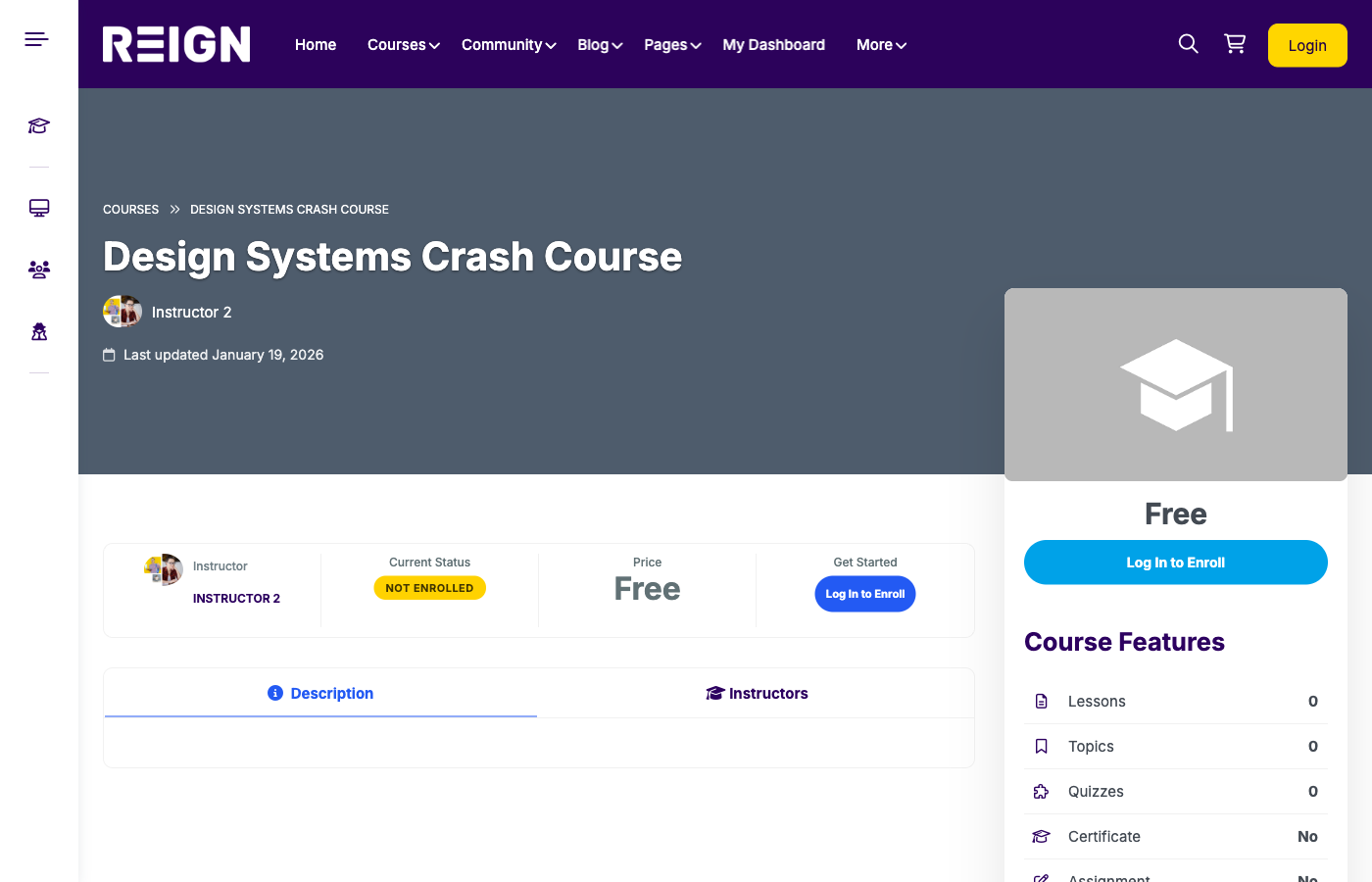
Sample timeline
- Week 1: Setup and design
- Week 2: Course build and testing
- Week 3: Marketing prep
- Week 4: Launch and feedback
Plan your marketing and growth
Decide how you will drive traffic: SEO, YouTube, partnerships, or paid ads. Build a simple email funnel for conversions.
Community adds retention and referrals. Plan how you will keep students engaged after enrollment.
Budget and resources
Set a realistic budget for hosting, plugins, marketing, and content production. If you plan to hire instructors or support staff, include those costs early.
Time is also a resource. Set milestones for course creation, testing, and launch so you do not drift indefinitely.
Validation before building
Validate demand before investing heavily. Run a free workshop, collect email signups, or pre-sell a pilot cohort. Validation reduces risk and helps you price confidently.
Build a content production system
Planning is not complete without a content system. Decide how you will script lessons, record videos, and create supporting assets. A simple template reduces friction.
Batch production saves time. Record several lessons at once and edit in batches to maintain consistency.
Decide on monetisation early
Your monetisation model influences your feature set. Memberships require ongoing content and community. Marketplaces require instructor onboarding and payouts. Single-course models are simpler but rely on volume.
Choose a model that matches your capacity to support students.
Risk management and scaling
Plan for support, refunds, and disputes. Clear policies reduce risk and improve trust. Set moderation guidelines if community is part of the plan.
Scaling requires infrastructure. Choose hosting that can grow and monitor performance from day one.
Legal and compliance basics
Prepare terms of service, privacy policy, and refund terms before launch. If you sell globally, consider VAT and digital goods taxes.
Clarify content ownership and licensing if multiple instructors contribute to your platform.
SEO and content strategy
Plan an SEO strategy early. Category pages, course pages, and blog content should map to the keywords your audience searches for.
Create a content calendar that supports the platform launch and builds authority over time.
Common mistakes to avoid
- Building without a clear niche
- Adding too many features at launch
- Skipping marketing planning
- Ignoring community engagement
- Not tracking key metrics
Conclusion
Planning is the most important step in building an online course platform. With clear goals, the right stack, and a simple roadmap, you can launch with confidence.
Start your platform with Reign + LearnDash + BuddyPress and build a scalable learning business.