

Course marketplaces are booming, but relying on a third-party platform means you are building someone else’s business. If you want to scale, control pricing, and build a brand that lasts, you should build your own course marketplace. This guide explains why and shows how to do it on WordPress.\
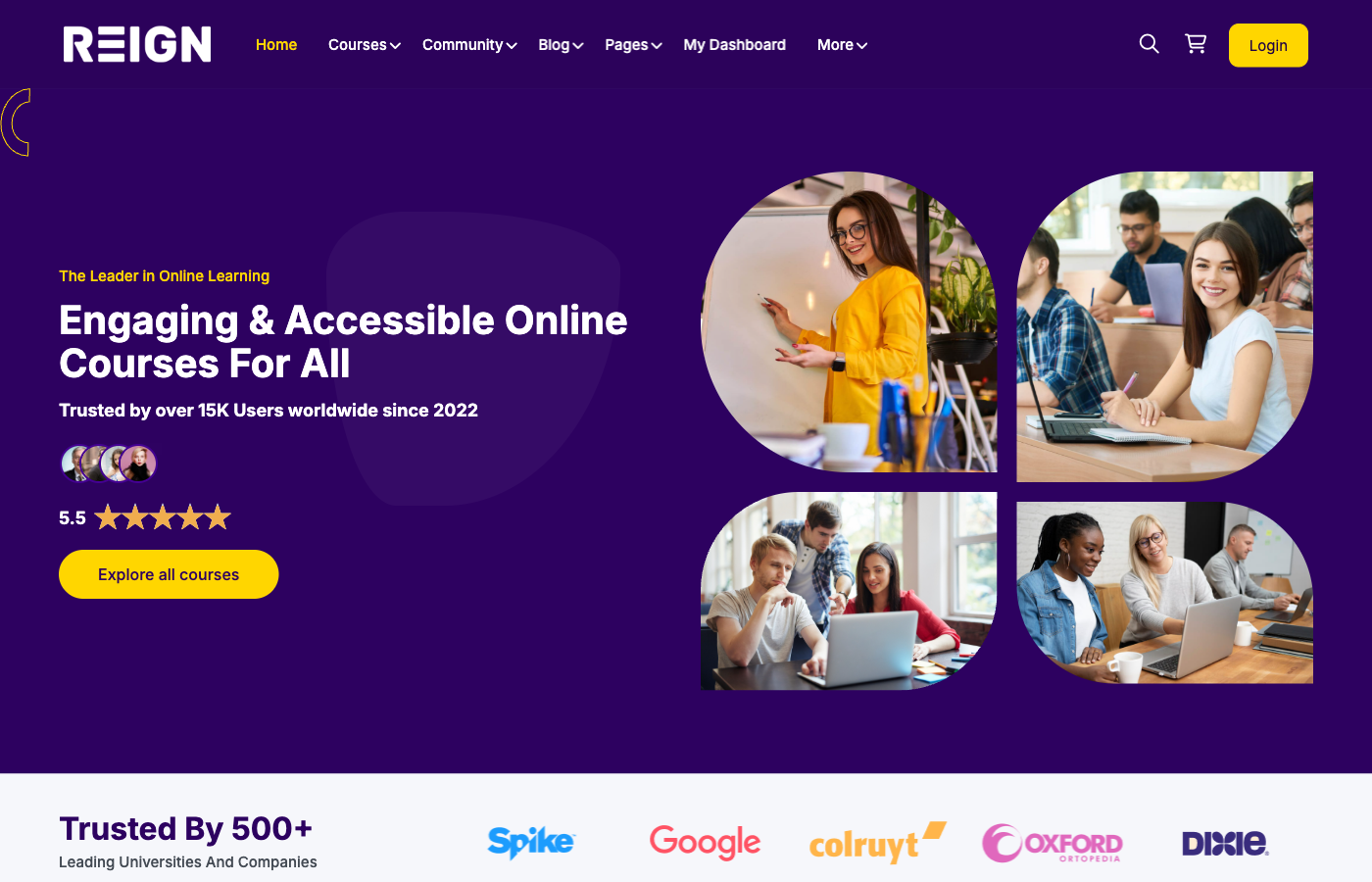
What is a course marketplace?
A course marketplace is a platform where multiple instructors can sell courses under one brand. Think Udemy, but focused on your niche. You manage the platform, and instructors publish on it. The marketplace earns revenue through commissions, subscriptions, or premium partnerships.
Why not just use Udemy or another marketplace?
Marketplaces can help you get visibility early, but they come with tradeoffs that hurt long-term growth:
- High revenue sharing or platform fees
- Limited control over pricing and discounting
- Branding belongs to the marketplace, not you
- Restricted access to student data and behaviour insights
- Rules and changes you cannot control
Top benefits of building your own course marketplace
1) You control your revenue model
When you own the platform, you choose the commission structure. You can set a percentage split, a flat fee, subscription access, or a hybrid model. This flexibility lets you optimise for profitability and instructor retention.
2) You own your brand and community
Your marketplace becomes a brand destination, not just a listing. When students sign up, they become part of your ecosystem. This builds long-term loyalty and reduces reliance on ad spend.
3) You keep your student data
Student data is a strategic asset. You can understand behaviour, improve courses, and build personalised journeys. Third-party marketplaces give you limited access to this data.
4) You can build community-driven learning
Marketplaces rarely have strong community features. With your own platform, you can add groups, forums, and social features that improve completion rates and retention.
5) You can niche down for higher margins
General marketplaces compete on price. Your marketplace can focus on a specific niche, delivering better outcomes and higher perceived value.
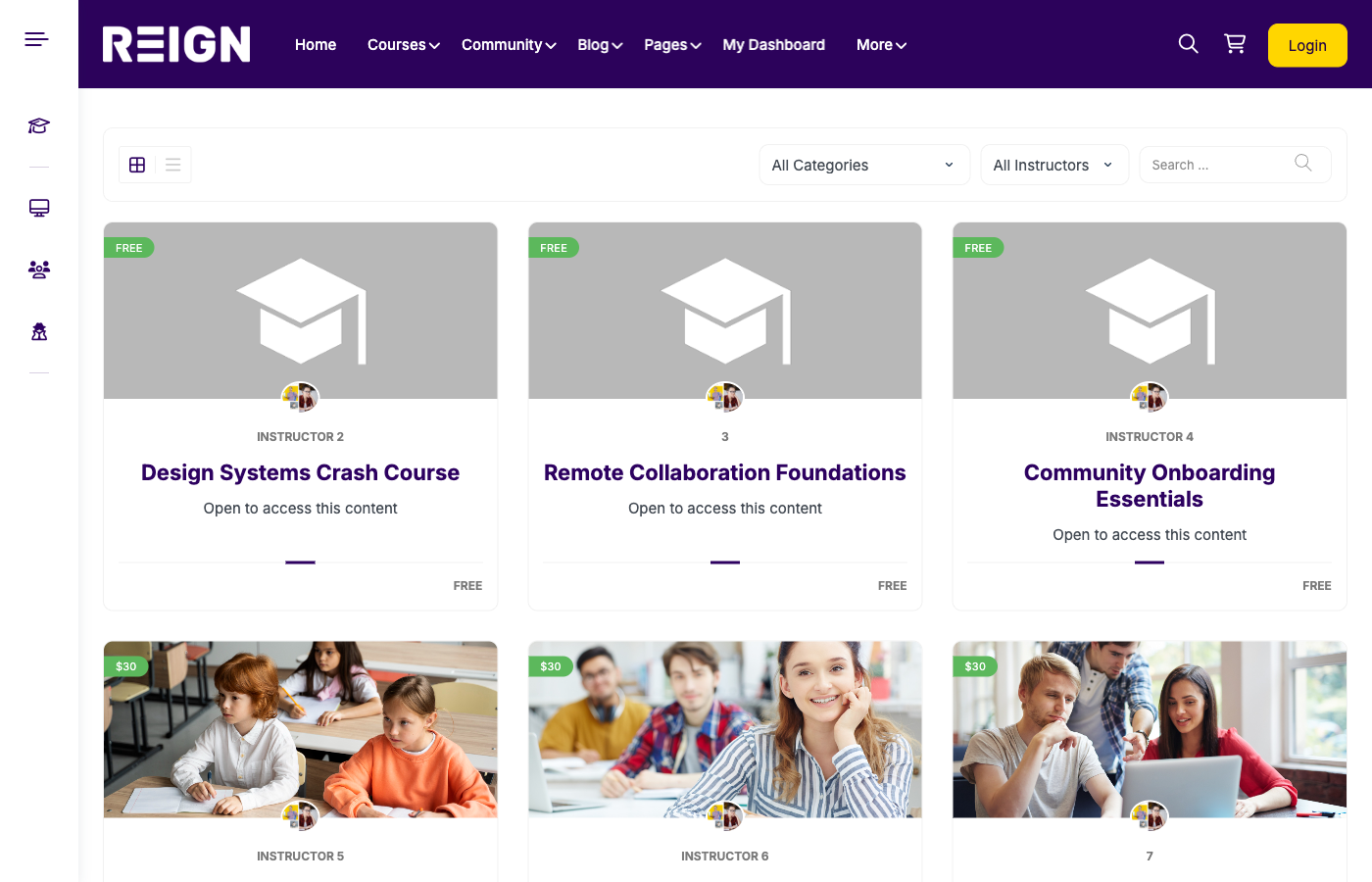
Marketplace business models you can run
- Commission model: Take a percentage of each sale.
- Subscription access: One fee unlocks the full catalogue.
- Licensing model: Sell course libraries to organisations.
- Hybrid model: Combine subscriptions with premium courses.
How to pick the right niche
A successful marketplace is rarely general. The best marketplaces focus on a clear audience and specific outcomes. Examples include product design, health coaching, or corporate upskilling. A focused niche makes marketing easier and helps instructors create relevant content.
Instructor incentives that attract top talent
- Competitive revenue splits with transparent payouts
- Marketing exposure and featured placement
- Community access to build personal brands
- Analytics dashboards that show student performance
Quality control and course standards
Quality is the difference between a marketplace and a course dump. Establish standards for video quality, course length, outcomes, and assessments. Use review checkpoints before publishing.
How to build your own marketplace on WordPress
- WordPress foundation: Own the platform.
- LearnDash LMS: Manage courses, instructors, and quizzes.
- Multi-instructor workflow: Approve and manage instructor submissions.
- BuddyPress community: Add groups, profiles, and discussions.
- Reign theme: Deliver a polished course marketplace UX.
Instructor onboarding workflow
To succeed, marketplaces need a frictionless instructor onboarding flow. Typical workflow:
- Instructor application and approval
- Course creation guidelines and templates
- Quality review before publishing
- Revenue split and payout automation
Operations you will need to run
- Instructor support and feedback loop
- Student support tickets and moderation
- Payout schedules and payment reconciliation
- Content review and policy enforcement
Monetisation strategies that work
- Launch bundles for new instructors
- Create category-specific subscriptions
- Offer premium support or mentorship tiers
- Upsell certifications or cohorts
Marketing your marketplace
Your marketplace grows when you combine content marketing with instructor partnerships. Use SEO to drive organic traffic, then incentivise instructors to bring their audiences. This creates compounding growth.
SEO strategy for marketplaces
- Build category pages for each skill or niche
- Create instructor profile pages with rich content
- Publish comparison and how-to blog content
- Optimise course landing pages for search intent
Metrics to track
- Instructor activation rate
- Course completion rates
- Average revenue per instructor
- Student repeat purchase rate
- Community engagement per course
Common mistakes to avoid
- Trying to be a general marketplace instead of niche-first
- Low-quality course approval standards
- Weak instructor onboarding experience
- Launching without community features
- Ignoring instructor retention and incentives
Who should build a marketplace?
- Agencies or brands serving a specific industry niche
- Communities with strong instructor networks
- Businesses that want to add new revenue streams
- Educators who want to scale beyond one course
FAQ
How long does it take to launch?
Most marketplaces launch in 4 to 8 weeks depending on course volume and onboarding workflows.
Do I need to build everything from scratch?
No. WordPress with LearnDash and BuddyPress provides most features out of the box.
Can I start with a small catalog?
Yes. Start with a focused set of instructors and grow as demand increases.
Launch with Reign + LearnDash + BuddyPress
If you want a marketplace with a premium learning experience, build on WordPress with Reign, LearnDash, and BuddyPress. You get the LMS backbone, community layer, and design system to scale a multi-instructor platform.
CTA: Build your own course marketplace with Reign + LearnDash + BuddyPress and own the platform end to end.