

In our fast-paced digital world, finding the Best AI Ask Research Tools Today can significantly enhance how we gather and analyze information. With the rise of artificial intelligence, researchers, students, and professionals now have access to powerful tools that simplify the research process. This blog will guide you through the top 10 Best AI Ask Research Tools Today, focusing on how they can streamline your efforts and help you make informed decisions.
Research used to mean hours in a library stacks or scrolling through dozens of search engine result pages hoping one of them actually answers the question. AI-powered research tools compress that process by reading, summarizing, and cross-referencing sources faster than any human could, though they are not a replacement for critical evaluation. Knowing which tool fits which stage of research, initial exploration, literature review, citation management, or fact-checking, makes the difference between a tool that saves hours and one that just adds noise.

Why AI Research Tools Matter
The quest for knowledge has always been central to human progress. However, the traditional methods of research often involve long hours of sifting through data and information. Today, the Best AI Ask Research Tools Today are changing that narrative. These tools leverage advanced algorithms to provide quick, accurate answers to your queries, saving time and enhancing productivity. Whether you’re writing a paper, preparing a presentation, or simply looking to learn something new, having the right AI research tools at your disposal can make all the difference.
The Challenge of Information Overload
One of the biggest hurdles in today’s information-rich environment is information overload. With endless data sources available online, it can be overwhelming to find reliable, relevant information. Traditional search engines often return vast results, making it difficult to pinpoint exactly what you need. This is where the Best AI Ask Research Tools Today come into play. They help filter through the noise, presenting users with precise and relevant answers to their questions.
When faced with the overwhelming amount of information online, researchers need tools that not only retrieve data but also provide context and clarity. The challenge lies in finding tools that can effectively streamline the research process and enhance the overall experience.
A Quick Note on Verifying AI-Generated Answers
Every tool on this list is genuinely useful, but none of them should be treated as infallible. Conversational AI models can produce confident-sounding statements that are subtly wrong, a phenomenon researchers call hallucination. The safest workflow is to use these tools to surface leads and summarize sources quickly, then verify anything you plan to cite against the original paper, dataset, or publication before it goes into your final work.
Transforming Research with AI
Imagine having an intelligent assistant that can instantly provide you with well-organized information, guide you through complex topics, and help you synthesize ideas. The Best AI Ask Research Tools Today make this vision a reality. By utilizing these tools, you can transform how you conduct research, making it more efficient and enjoyable.
Let’s explore the ten best AI ask research tools that can empower your research efforts and help you achieve your goals.
1. ChatGPT by OpenAI
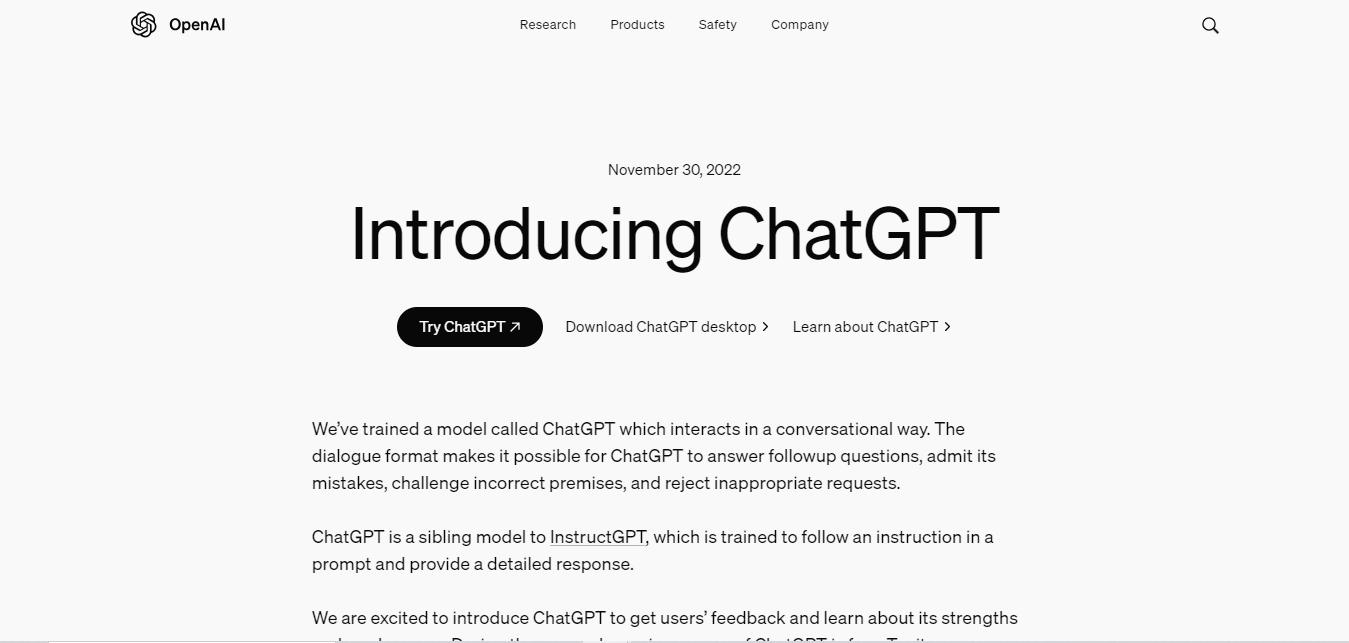
ChatGPT has gained significant popularity as one of the leading AI tools for research. This conversational AI model is designed to generate human-like responses based on user prompts. Key features include:
- Versatile Responses: ChatGPT excels in answering questions, brainstorming ideas, and providing explanations on various topics.
- Context Understanding: Its ability to understand context and engage in dialogue makes it an invaluable resource for anyone seeking the best AI ask research tools today.
You can ask ChatGPT anything from technical queries to general knowledge questions, and it will provide informative and coherent responses. This versatility makes it a go-to option for researchers looking to quickly gather information and clarify concepts. It works best as a starting point for exploring an unfamiliar topic or restructuring your own notes into clearer language, rather than as the final citation source in a formal research paper.
2. Google Gemini
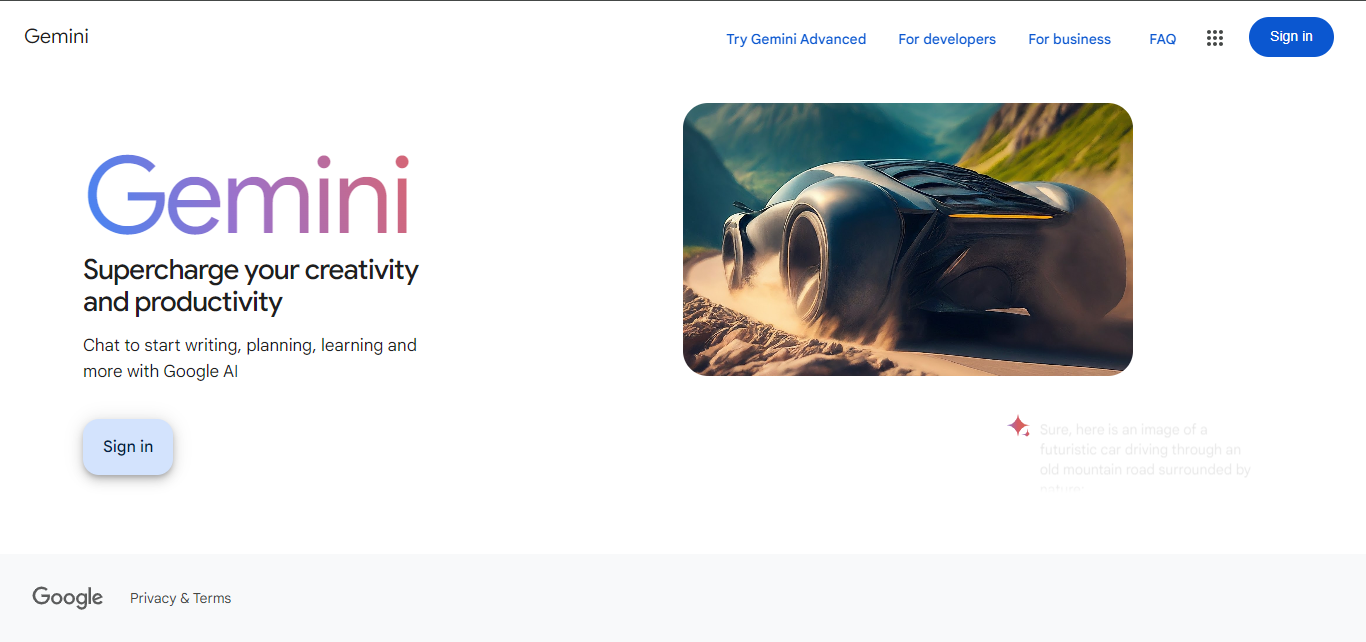
Google Gemini is another innovative AI tool that leverages Google’s extensive knowledge base to deliver quick and accurate answers. With its conversational interface, users can ask questions and receive responses that are both informative and contextually relevant. As one of the Best AI Ask Research Tools Today, Google Gemini excels in providing users with the information they need without the hassle of sifting through countless web pages.
Key features include:
- Fast and Reliable Answers: Users can seek statistics, definitions, or explanations and receive instant responses.
- User-Friendly Interface: The conversational nature makes it easy for anyone to engage with the tool.
Its integration with Google’s search index gives it an edge for questions that benefit from recent, up-to-date information, something purely offline-trained models can struggle with. This makes it a solid choice for current-events research or fast-moving fields where last month’s data may already be outdated.
3. Elicit
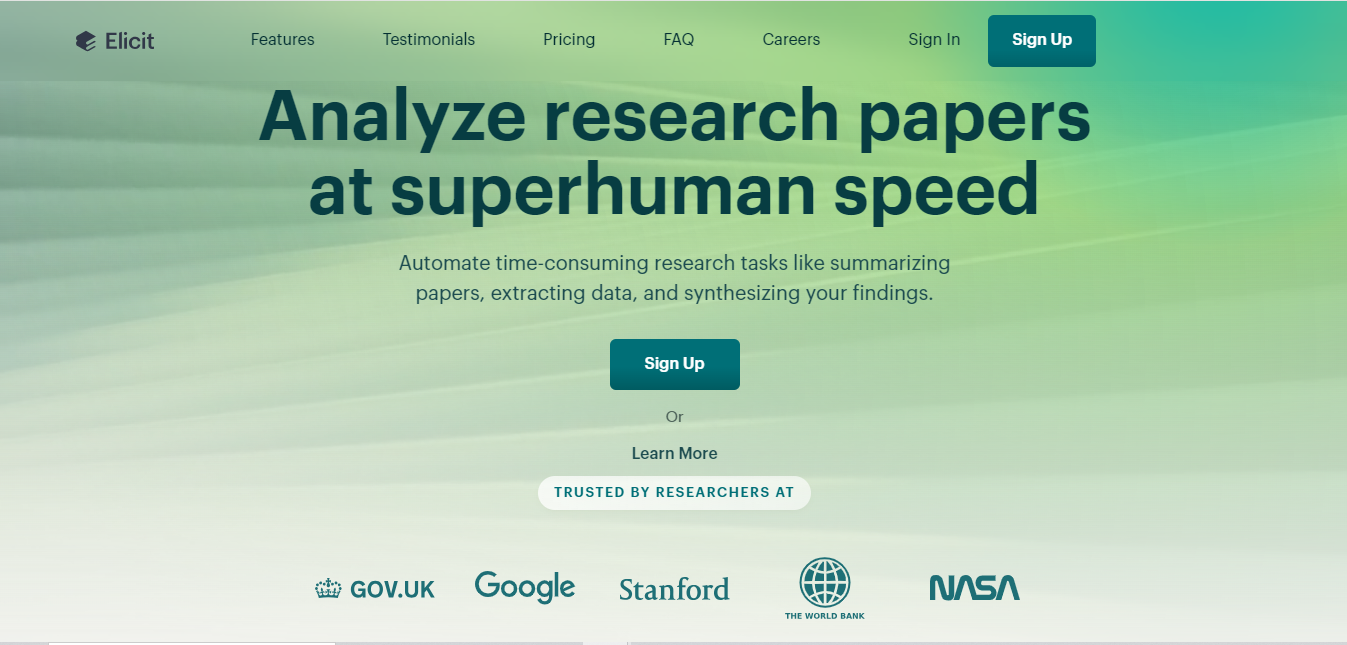
Elicit is designed specifically for researchers, providing a platform for conducting literature reviews and synthesizing findings from various studies. With Elicit, you can easily extract key insights and relevant data from research papers, saving you hours of manual effort.
Key features include:
- Organized Tracking: Elicit offers an organized way to track your findings, helping you connect ideas and identify gaps in the literature.
- Efficient Literature Review: It embodies the essence of the Best AI Ask Research Tools Today, enabling users to focus on interpretation and application rather than just data collection.
What sets Elicit apart from general chatbots is that it works directly against academic paper databases rather than generating answers from a general language model, which means its summaries link back to real, checkable sources, an important distinction for anyone doing formal academic work.
4. Wolfram Alpha
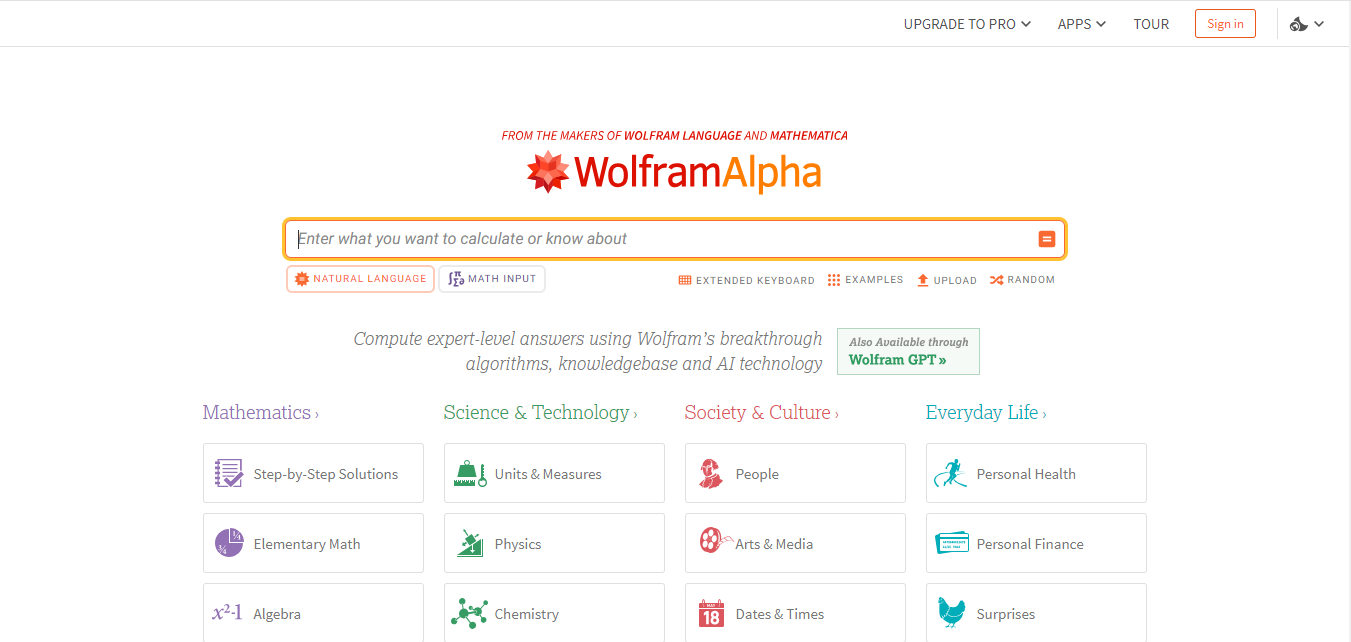
Wolfram Alpha is a powerful computational knowledge engine that specializes in providing factual answers and data-driven insights. It’s particularly useful for subjects like mathematics, physics, and statistics, making it a favorite among students and professionals in these fields.
Key features include:
- Detailed Explanations: Users can enter queries and access detailed explanations, charts, and calculations instantly.
- Data Analysis: Wolfram Alpha excels in handling computational queries, making it an essential tool for anyone needing data analysis.
Unlike the conversational tools on this list, Wolfram Alpha computes answers rather than generating text predictions, which makes its output for mathematical and scientific queries deterministic and verifiable rather than probabilistic, a meaningful difference when accuracy is non-negotiable.
5. Zotero
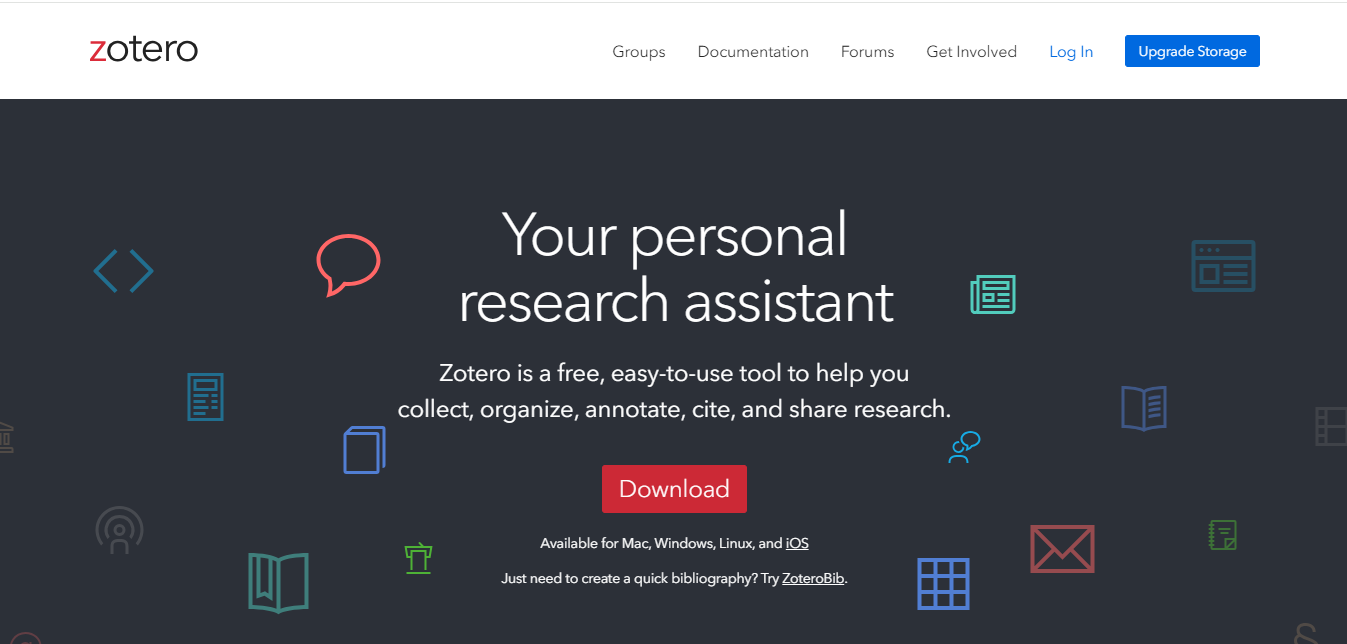
Zotero is a free, user-friendly tool that assists researchers in organizing their research materials, creating bibliographies, and managing citations. While it may not be an AI in the traditional sense, Zotero employs smart algorithms to help you collect and organize references efficiently.
Key features include:
- Automatic Citation Formatting: Zotero automates citation formatting and allows you to categorize sources.
- Research Organization: It simplifies the often tedious aspects of research, reinforcing its role among the Best AI Ask Research Tools Today.
Its browser extension captures citation metadata automatically the moment you visit a journal page, saving the tedious step of manually typing author names, publication dates, and page numbers into a reference manager after the fact.
6. Kuki
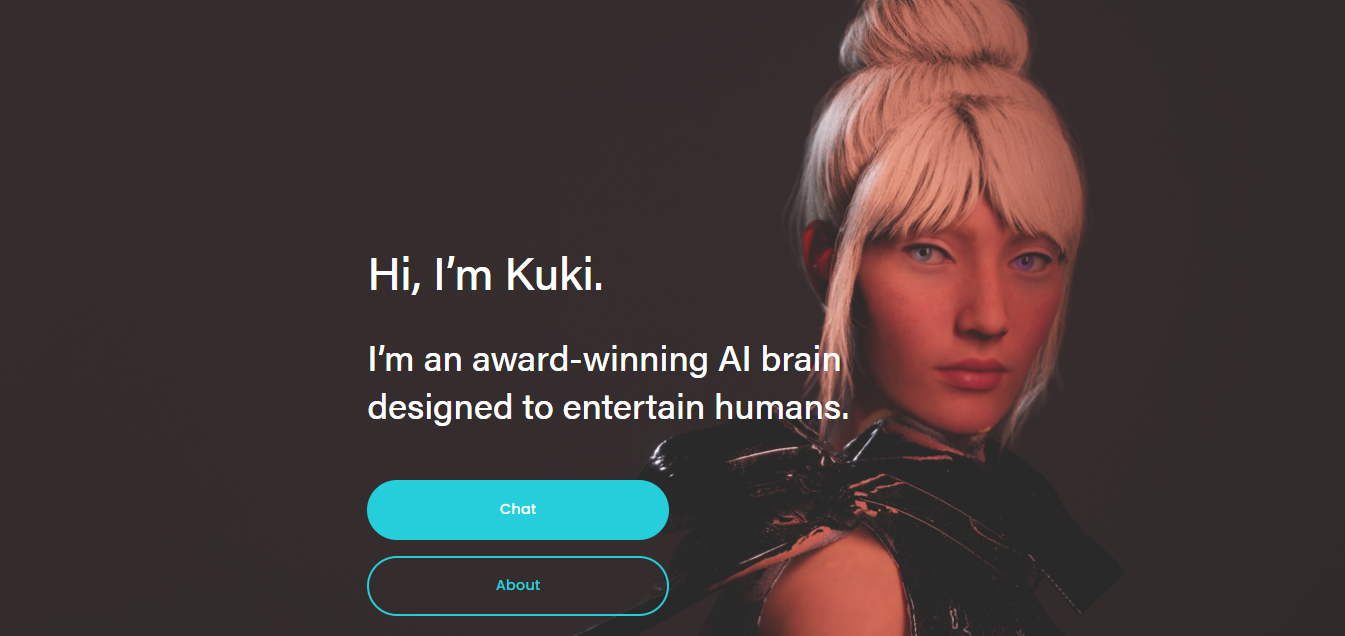
Kuki is a chatbot designed for engaging conversations and fun interactions. While it may not be a traditional research tool, Kuki’s underlying AI technology can assist users in educational contexts.
Key features include:
- Engaging Interaction: Users can ask Kuki questions to gain insights into various topics.
- Informal Learning: Kuki offers an informal yet informative way to explore ideas and gather knowledge.
It suits casual exploration and language practice more than formal research, and is worth mentioning mainly as a reminder that not every conversational AI is built for rigorous fact-finding; matching the tool to the seriousness of the task matters.
7. Quora

Quora is a community-driven question-and-answer platform where users can ask questions and receive answers from experts and enthusiasts alike.
Key features include:
- Vast Community Knowledge: The strength of Quora lies in its vast community knowledge, enhanced by recommendation algorithms that surface the most relevant responses.
- Diverse Perspectives: Users can explore diverse perspectives, making it easier to find well-rounded answers to their inquiries.
Because answers come from named individuals with visible credentials and follower counts, it is a useful way to gauge how practitioners in a field actually talk about a topic, which is a different kind of signal than what you get from an academic paper or an AI-generated summary.
8. ResearchGate

ResearchGate is a social networking site specifically designed for scientists and researchers. It allows users to share papers, ask questions, and collaborate with peers.
Key features include:
- Collaborative Platform: ResearchGate fosters collaboration and knowledge exchange among researchers.
- AI-Driven Recommendations: It utilizes AI algorithms to recommend relevant research papers based on users’ interests, making it easier to discover new studies.
One underused feature is the ability to directly message paper authors and request access to a study that is behind a paywall; many researchers are happy to share a copy, and it is a faster route to a full text than searching for a pirated PDF elsewhere.
9. Scrivener
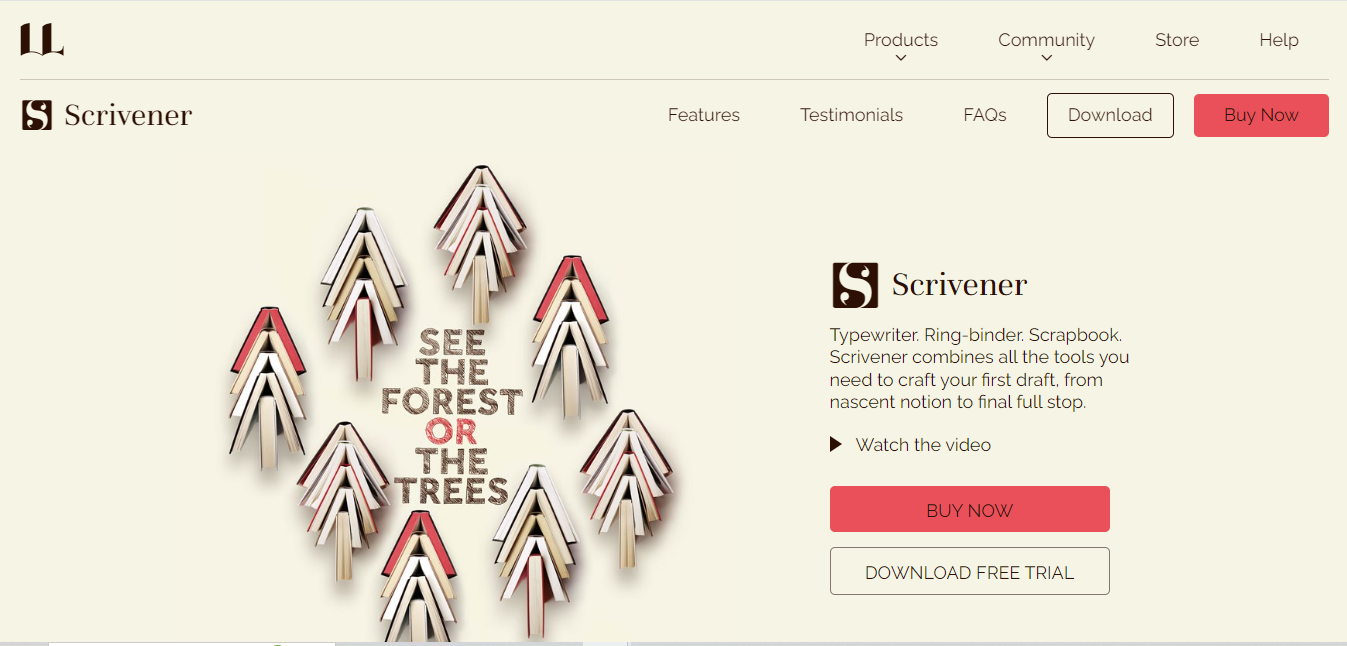
Scrivener is primarily known as writing software, but it also provides valuable tools for research management. Users can store notes, references, and research materials all in one place, allowing for a more organized writing process.
Key features include:
- Integrated Research Management: Scrivener helps users focus on crafting their narratives without losing track of their sources.
- User-Friendly Interface: Its features align with the best AI ask research tools today, enhancing the overall research and writing experience.
Its corkboard and binder view let you keep source PDFs, images, and notes sitting right next to the chapter or section they support, which is a genuine advantage over writing in a plain document and switching between five other windows to find your references.
10. Mendeley
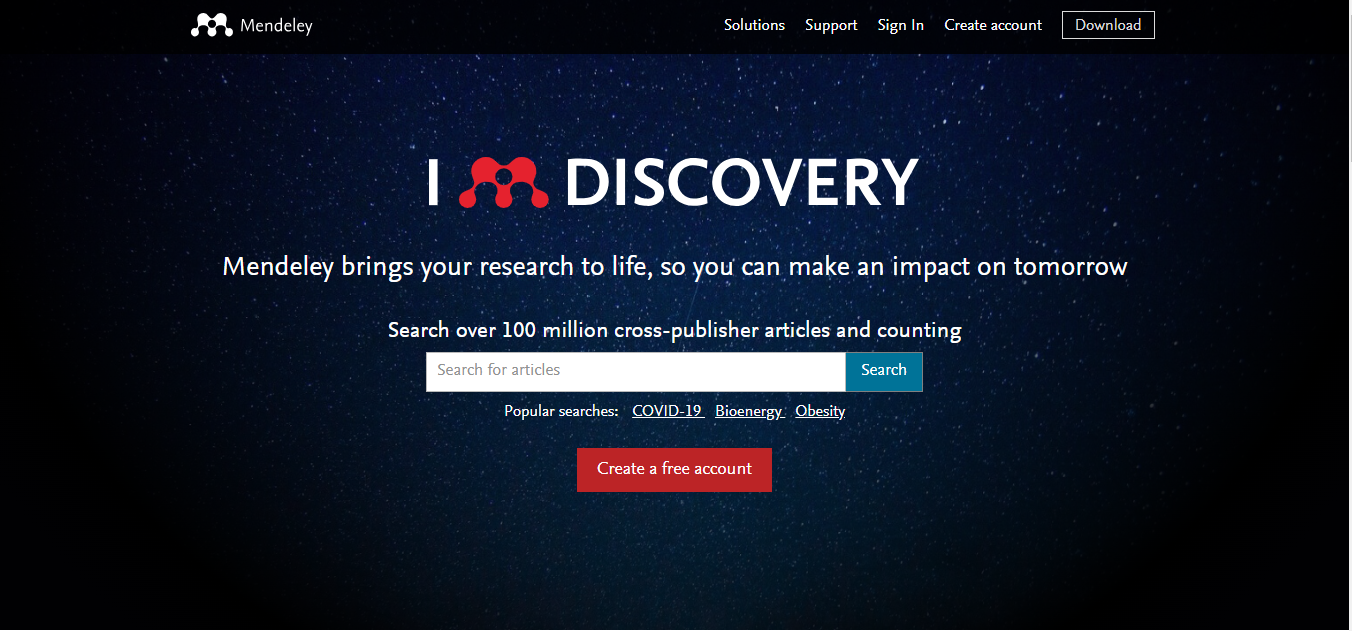
Mendeley is another excellent reference manager and academic social network that helps researchers organize their papers and collaborate with others.
Key features include:
- PDF Annotation: Users can easily annotate PDFs, share research findings, and discover new articles tailored to their interests.
- AI-Driven Recommendations: Mendeley’s AI-driven recommendations assist users in navigating the research landscape, making it a vital resource among the Best AI Ask Research Tools Today.
Because Mendeley is owned by Elsevier, it plugs directly into ScienceDirect and a large body of published journal content, giving its recommendation engine a large, high-quality dataset to draw connections from when suggesting related papers.
Frequently Asked Questions
Can I cite ChatGPT or Gemini directly in an academic paper?
Most style guides now have formal citation formats for AI tools, but many academic institutions restrict or prohibit citing them as a primary source. Treat conversational AI output as a starting point for finding real sources, not as the source itself.
Which tool is best for a literature review specifically?
Elicit is purpose-built for this, since it surfaces and summarizes actual academic papers rather than generating text from a general model. Pair it with Zotero or Mendeley to manage the citations you collect along the way.
Are any of these tools free to use?
Zotero, Wolfram Alpha’s basic queries, Quora, and ResearchGate are free. ChatGPT, Elicit, and Mendeley offer generous free tiers with paid upgrades for higher usage limits or advanced features.
How do I avoid AI hallucinations when researching a niche topic?
Ask the tool to cite its sources directly, then check those sources yourself. Tools like Elicit and Google Gemini are generally more reliable here than a pure chatbot, since they ground answers in retrievable documents rather than generating from memory alone.
Should students avoid AI research tools entirely to prevent plagiarism concerns?
Using AI to find and summarize sources is generally acceptable; submitting AI-generated text as your own original writing is not. Check your institution’s specific academic integrity policy, since rules vary, and always cite the actual sources you end up using.

Embrace the Future of Research
Incorporating the Best AI Ask Research Tools Today into your routine can significantly enhance your efficiency and productivity. These tools not only provide answers but also enable users to explore ideas, gather insights, and foster collaboration in ways previously unimaginable.
The landscape of research is evolving, and by leveraging AI tools, you can transform how you conduct inquiries, making the process more enjoyable and effective. From instant answers provided by ChatGPT and Google Gemini to comprehensive literature reviews conducted with Elicit, the possibilities are endless.


