Marketplace fees can take 10 to 50 per cent of your revenue. If you want higher margins and full control, the best path is to build your own course website.
This guide shows how to create a course website without marketplace fees using WordPress, LearnDash, BuddyPress, and the Reign theme. You will learn the setup steps, pricing strategy, and marketing plan to replace marketplace dependence.
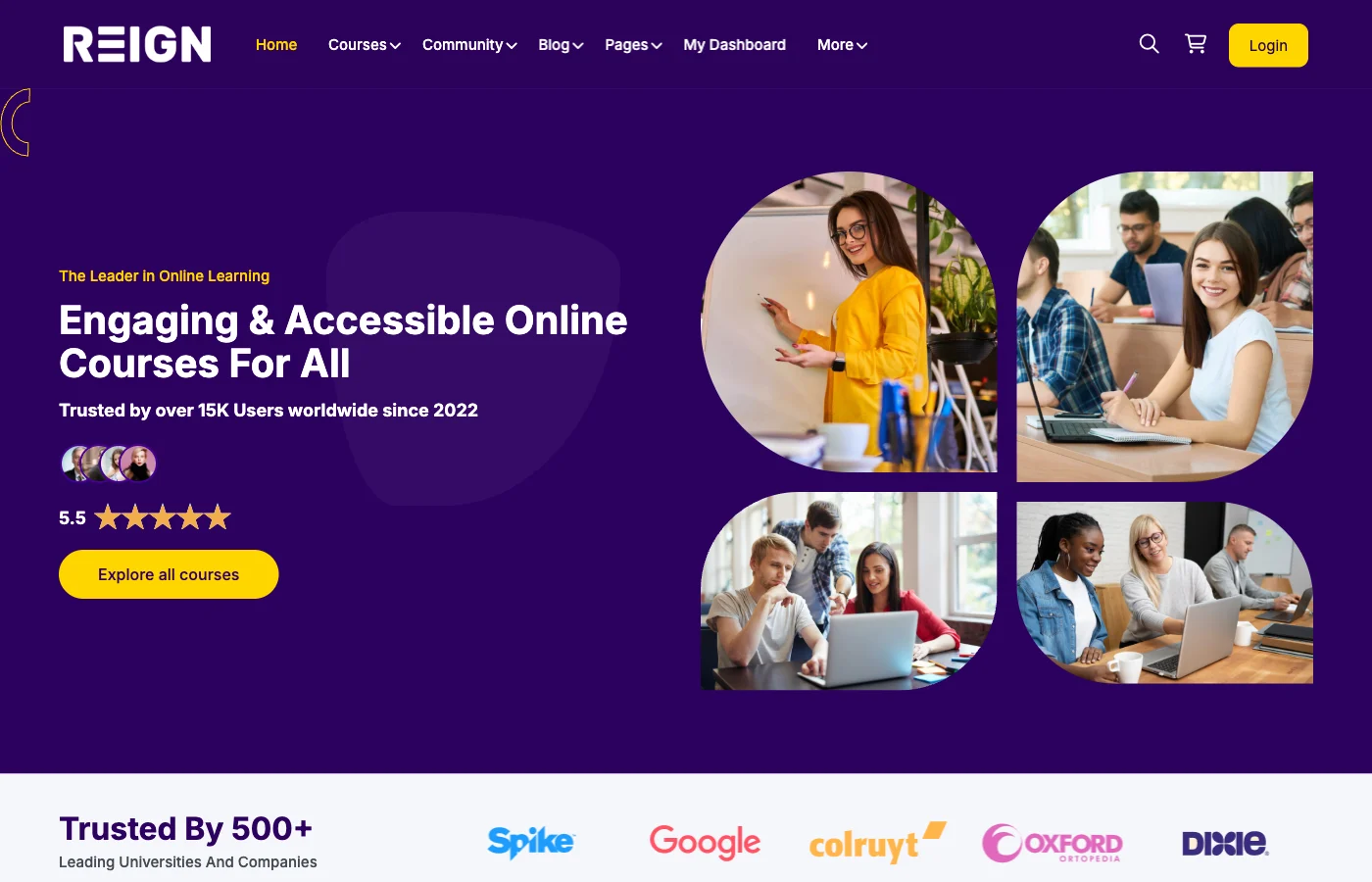
Why avoiding marketplace fees matters
Marketplace fees reduce your revenue and limit your brand. They also control how you communicate with students. By building your own site, you keep your margins, own customer data, and create a long-term business asset.
Owning the platform also gives you flexibility. You can set pricing, create bundles, and build a membership model without restrictions.
Key benefits
- Keep 100 per cent of sales minus payment processing
- Full control over branding and messaging
- Direct access to customer data
- Freedom to price and bundle courses
Recommended WordPress stack
LearnDash provides the course engine. BuddyPress adds community features that increase completion. Reign creates a professional, social-first design.
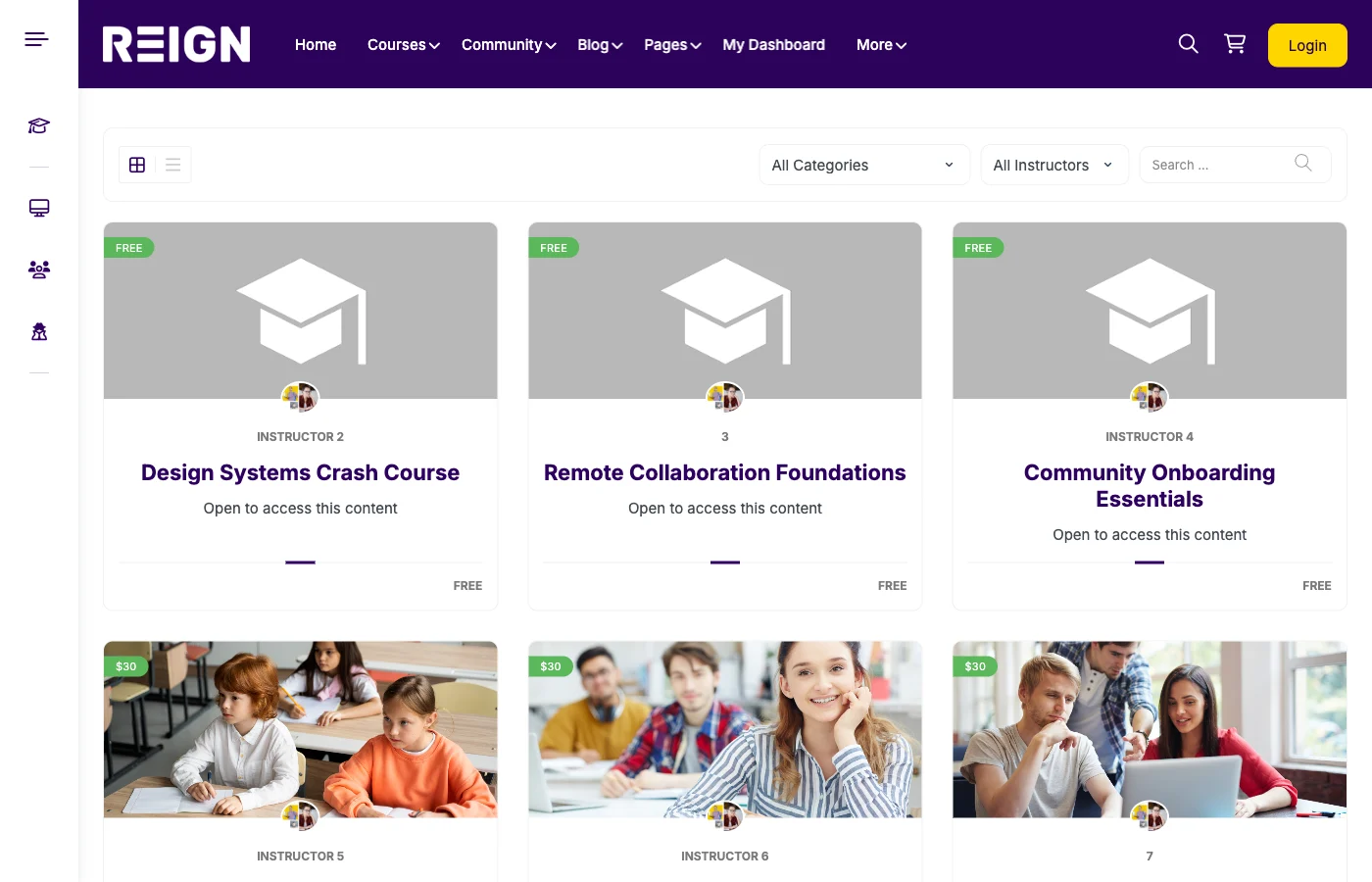
Step-by-step setup
Start with hosting and WordPress. Install Reign, LearnDash, and BuddyPress. Configure registration and course settings. Then build your first course and test the enrollment flow.
Set up payments with Stripe or PayPal. Use a checkout experience that is fast and clear. Make the pricing visible and simple.
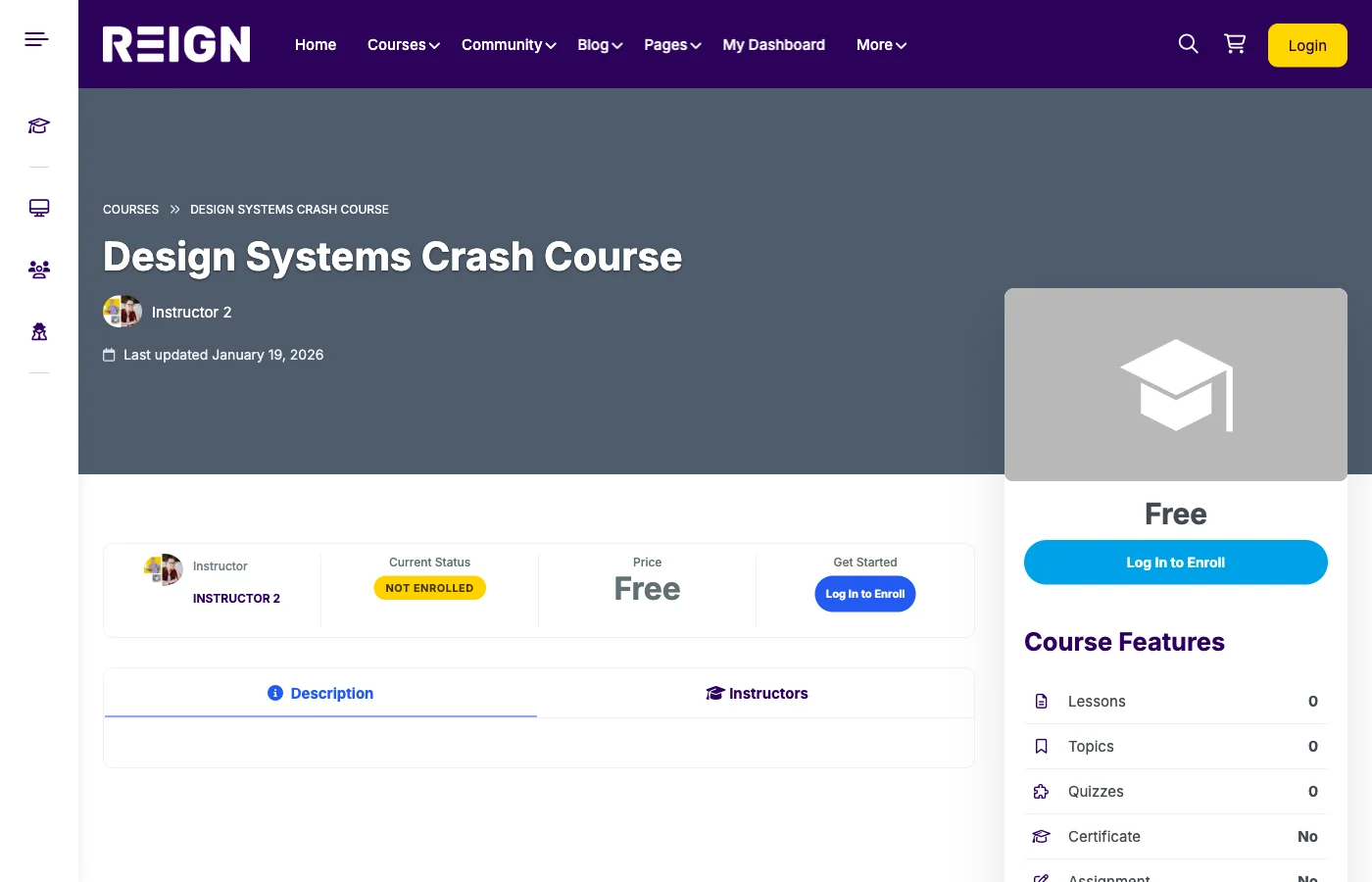
Pricing strategy for direct sales
When you sell directly, you control pricing. Start with one flagship course and price based on outcomes, not time. If the course creates real value, higher pricing is justified.
Consider bundles or memberships to increase lifetime value. A membership model reduces reliance on one-time sales.
Build trust without marketplace reviews
Marketplaces provide built-in trust through reviews. On your own site, you must build trust with testimonials, case studies, and strong instructor credibility.
Offer previews or sample lessons so students can see the quality. Clear outcomes and guarantees also reduce hesitation.
Community as a differentiator
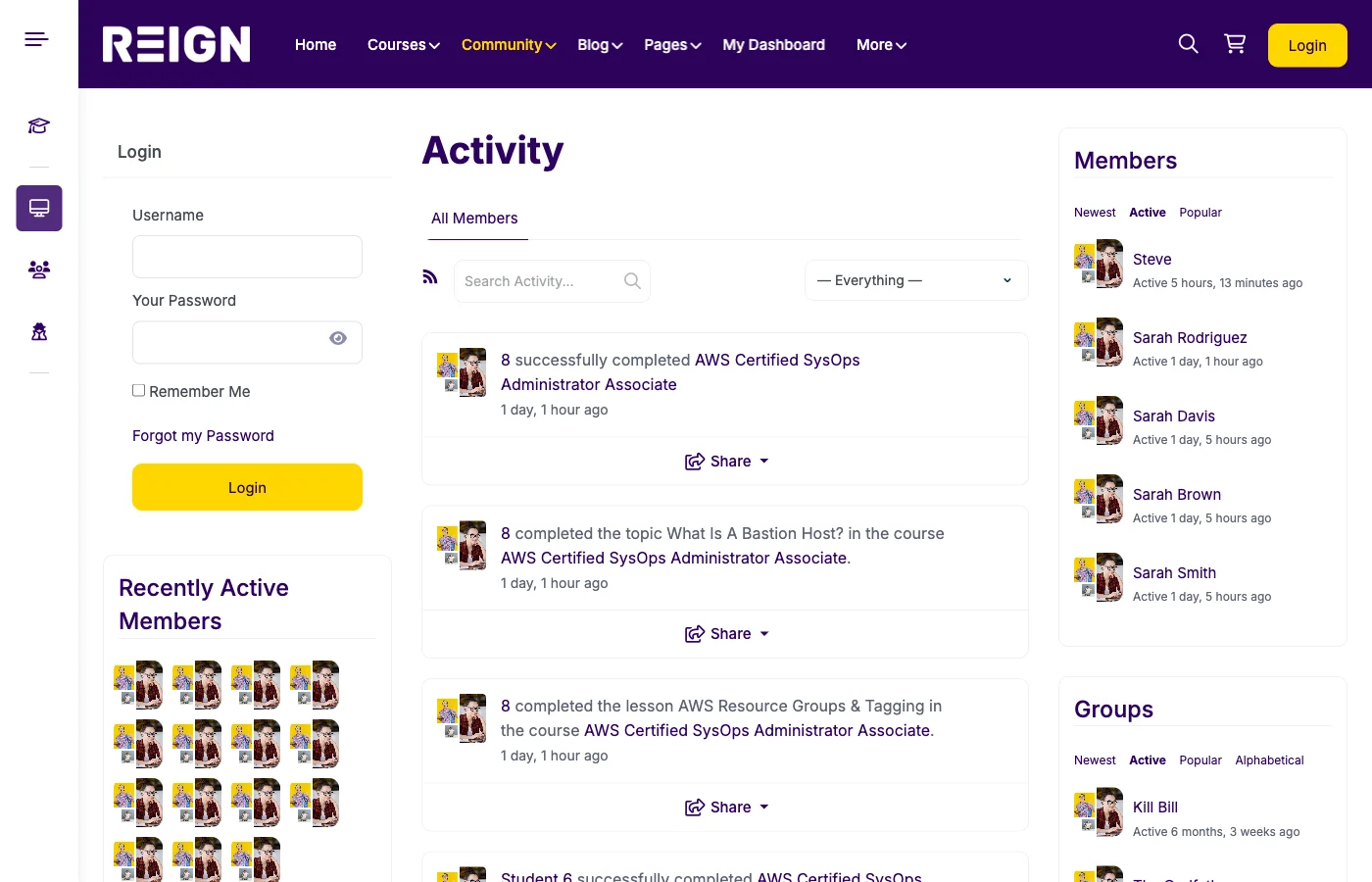
Marketplaces rarely provide a strong community. Use BuddyPress groups and activity feeds to offer a better experience. Community increases completion and creates referrals.
Marketing without a marketplace
You replace marketplace traffic with SEO, content marketing, and email. Publish blog content targeting your niche. Use lead magnets and email funnels to convert visitors.
Partnerships and affiliates can also replace marketplace exposure. Offer commissions to partners who promote your course.
Marketing channels to focus on
- SEO blog content and YouTube tutorials
- Email list building and nurture sequences
- Webinars or live workshops
- Affiliate and partnership marketing
Offer design and product ladder
Your course is the core offer, but a product ladder increases revenue. Create a starter course, a flagship course, and an advanced coaching offer.
Use clear outcomes for each tier. The easier it is to understand the value, the easier it is to sell without a marketplace.
Retention and upsells
Retention is key when you own the platform. Offer advanced courses, coaching, or memberships to keep students engaged.
Use community and ongoing updates to make your platform valuable long after purchase.
Paid traffic and launch strategy
Paid ads can replace marketplace traffic once your offer is validated. Start small with retargeting ads, then scale to cold audiences if conversion is strong.
Launch with a short campaign: free webinar, limited-time bonus, or early-bird pricing. Use scarcity ethically to drive decisions.
Analytics and optimization
Track conversions, cart abandonment, and completion rates. Use this data to improve course pages and your checkout flow.
Test pricing, headlines, and offers. Small changes can have a big impact on conversions.
Common mistakes to avoid
- Launching without a marketing plan
- Hiding pricing or creating complex checkout
- Ignoring trust signals like testimonials
- Skipping community engagement
- Not tracking conversions and drop-offs
Checklist and FAQ
Pre-launch checklist
- Course content complete
- Checkout tested
- Testimonials or proof added
- Email funnel ready
- Community set up
FAQ
Is WordPress enough to run a course business? Yes. With LearnDash and BuddyPress, WordPress supports full-scale course platforms.
How do I drive traffic without a marketplace? Use SEO, email marketing, and partnerships to build sustainable traffic.
Do I need a developer? Not always. Most platforms can be built with themes and plugins.
Conclusion
Creating a course website without marketplace fees gives you control, higher margins, and direct access to your audience. With WordPress, LearnDash, BuddyPress, and Reign, you can build a premium learning brand.
Own your platform with Reign + LearnDash + BuddyPress and keep your course revenue where it belongs.